
Refractive lens replacement (lensectomy)
First step to laser vision correction
Extended diagnostics before laser correction
Pick a day and time online — no waiting for a call
about the service
BiVision RLE — a modern alternative to laser vision correction
BiVision RLE — a modern alternative to laser vision correction
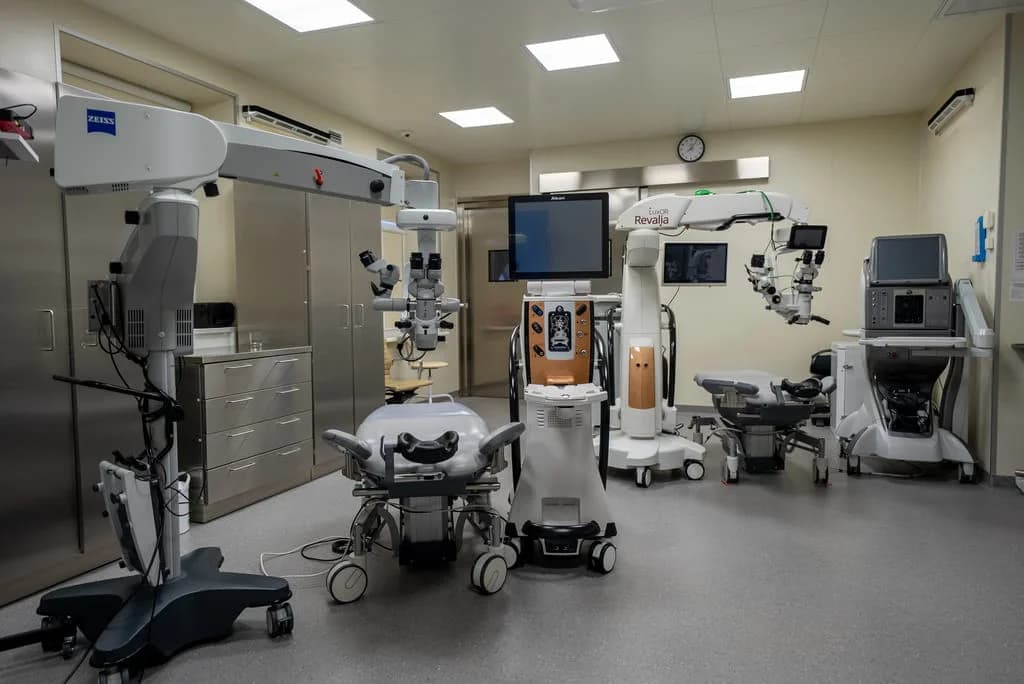
BiVision RLE is a modern microinvasive procedure in which the eye’s natural lens is replaced with an intraocular lens (IOL) to restore clear vision at near, intermediate, and far distances. It is suitable when laser correction is contraindicated or its expected results are insufficient (thin/irregular cornea, high diopters, combined visual defects).
Recommended for: people 45+ with presbyopia, patients with high myopia/hyperopia, astigmatism, early lens changes, or cataract risk.
Why choose BiVision RLE: key advantages
Refractive surgery in ophthalmology is suitable for both farsightedness and nearsightedness, including astigmatism.
Main indications and symptoms when refractive lens exchange (RLE) should be considered
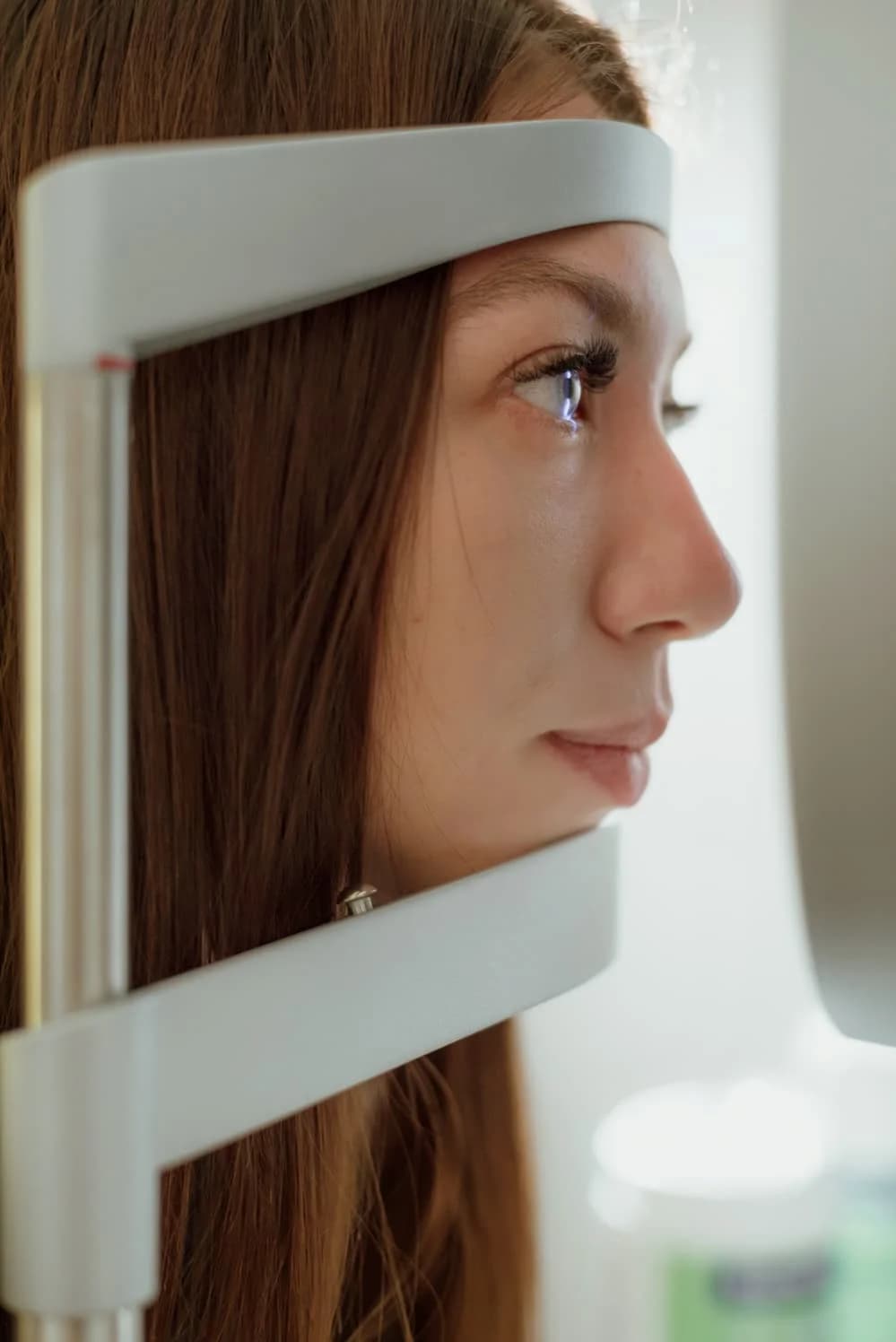
Main indications and symptoms when refractive lens exchange (RLE) should be considered
RLE is considered when age-related farsightedness is combined with other refractive disorders — for example, when different glasses are needed for computer work and for reading, and by evening the eyes quickly tire and focus 'jumps'. Patients often complain of foggy or less contrast vision in the morning, glare while driving at night, and a feeling that glasses no longer provide the desired clarity. If an ophthalmologist previously declined laser correction due to corneal parameters, RLE becomes a logical alternative, as the method works with the lens and does not affect the cornea. In early stages of lens opacity, the procedure also eliminates the future risk of cataract, and for people whose professions require sharp vision, it provides greater stability and contrast.
Why patients choose RLE
Contact us
If you have any questions, call our friendly call center or make an appointment for diagnostics with further consultation.
Mon - Sun 9:00 – 19:00
we work without days off
Why patients choose RLE
The decision in favor of RLE is usually based on a combination of clinical and lifestyle factors:
1. Medical indications
- Laser corneal correction is impossible or not advisable.
- A wider correction range is needed (high diopters, combination of myopia/hyperopia with astigmatism).
- There is a risk or early signs of cataract — lens replacement solves the issue in advance.
2. Expectations regarding vision quality
- Desire to see clearly without glasses at near, intermediate, and far distances (multifocal/trifocal IOLs).
- Need for stable clarity throughout the day: working with texts, screens, driving, sports.
3. Safety and predictability
- RLE does not affect the cornea — important for thin or problematic corneas.
- Cataract prevention: after removing the natural lens, cataracts no longer develop.
- Personalized selection of IOLs according to lifestyle (reading, computer use, night driving).
Who is recommended for refractive lens exchange:
The BiVision RLE procedure is most often recommended for people over 45 years old who begin to experience the first symptoms of age-related vision changes — blurred near vision, the need to move text further away, and rapid eye fatigue. Implanting a multifocal lens restores visual comfort and eliminates dependence on glasses.
In our center, refractive lens exchange surgeries are performed by surgeons with experience of no less than 50,000 successful procedures.
We use only premium lenses (intraocular implants)
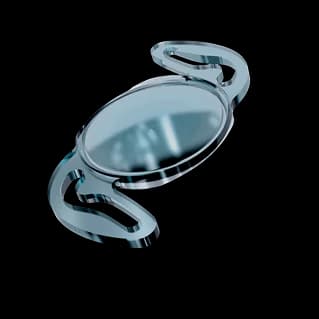
Rayner GALAXY
the world's #1 lens for cataract treatment
Stages
01Appointment and preparation for diagnostics
You can schedule an appointment by phone or online — it only takes a few minutes.
No special preparation is required. If you wear soft contact lenses, remove them the night before (preferably 12 hours before your visit). Bring your current glasses/prescription and results of previous examinations — we’ll assess the dynamics.
We recommend planning your visit without driving right after the appointment: pupil dilation may temporarily blur your near vision.
02Comprehensive eye diagnostics
Duration — approximately 2–2.5 hours.
We perform a full set of measurements required for refractive lens exchange (RLE): autorefractometry and visual acuity testing, biometry and IOL power calculation, corneal topography/tomography, intraocular pressure measurement, and if needed — OCT of the macula and optic nerve, tear film evaluation.
To ensure accuracy, dilating eye drops are used — near vision may be temporarily blurred for several hours after the exam.
03Ophthalmologist consultation
After the examination, the doctor will explain the results, show the expected outcome, and recommend the type of intraocular lens best suited to your lifestyle (mono-/EDOF/trifocal, toric for astigmatism).
We’ll discuss indications and possible limitations, answer your questions, provide a transparent cost estimate and preparation timeline. If needed, you’ll receive a list of standard preoperative tests and recommendations.
Together, we’ll set the RLE date and create a personalized recovery plan.

Take care of your vision health today!
Book an eye examination to learn more about the condition of your visual system!
Mon - Sun 9:00 – 19:00
we work without days off
Innovative vision restoration: Refractive Lens Exchange (RLE)
Refractive Lens Exchange (RLE, refractive lensectomy) is a surgical method of vision correction in which the eye’s natural lens is replaced with an intraocular lens (IOL). RLE corrects myopia, hyperopia, presbyopia, and astigmatism. It is an ideal alternative when laser correction is contraindicated (thin cornea, scars, unstable refraction) and provides stable, clear vision without glasses or contact lenses.
Why choose BiVision RLE with us
In our clinic, refractive lens exchange combines technology and experience. After a detailed diagnostic evaluation, we select the IOL based on your actual visual needs — reading, computer work, sports, or night driving. Instead of ultrasound during lens removal, we use a controlled water flow system (BiVision iQ 5 Minutes), which minimizes corneal impact and speeds up recovery. We work exclusively with original Rayner lenses — from multifocal to toric models — ensuring long-term visual comfort. Our surgeons have over ten years of experience in leading European centers.
Preparation and recovery
Preparation is simple: bring previous medical reports, a list of your medications, and follow contact lens recommendations if you wear them. On the day of surgery, it’s advisable to have someone accompany you for a safe trip home. After the procedure, you’ll use prescribed eye drops, avoid swimming pools and saunas for two to three weeks, and temporarily limit intense physical activity. The return to driving is discussed with your surgeon during the follow-up visit.
Intraocular lenses (IOLs) we use
We work with Rayner and Alcon lens lines, selecting the configuration based on each eye and lifestyle. For maximum independence from glasses, we offer trifocal solutions; when astigmatism correction is also needed — toric models are used; if natural visual comfort and extended depth of focus are priorities, we recommend EDOF IOLs. The final choice is based on biometry, corneal astigmatism, and your daily visual needs.
Cost and what’s included
The cost of RLE in Kyiv primarily depends on the chosen intraocular lens type and individual clinical specifics. During your consultation, you’ll receive a personalized cost breakdown explaining each step — from diagnostics and the procedure itself to postoperative care. If needed, our manager will inform you about current loyalty programs and installment options.
doctors
3
specialized doctors
Experts in refractive lensectomy
Our doctors will carefully study the condition of your visual system and determine whether correction is possible in your case.

Experience since 2012
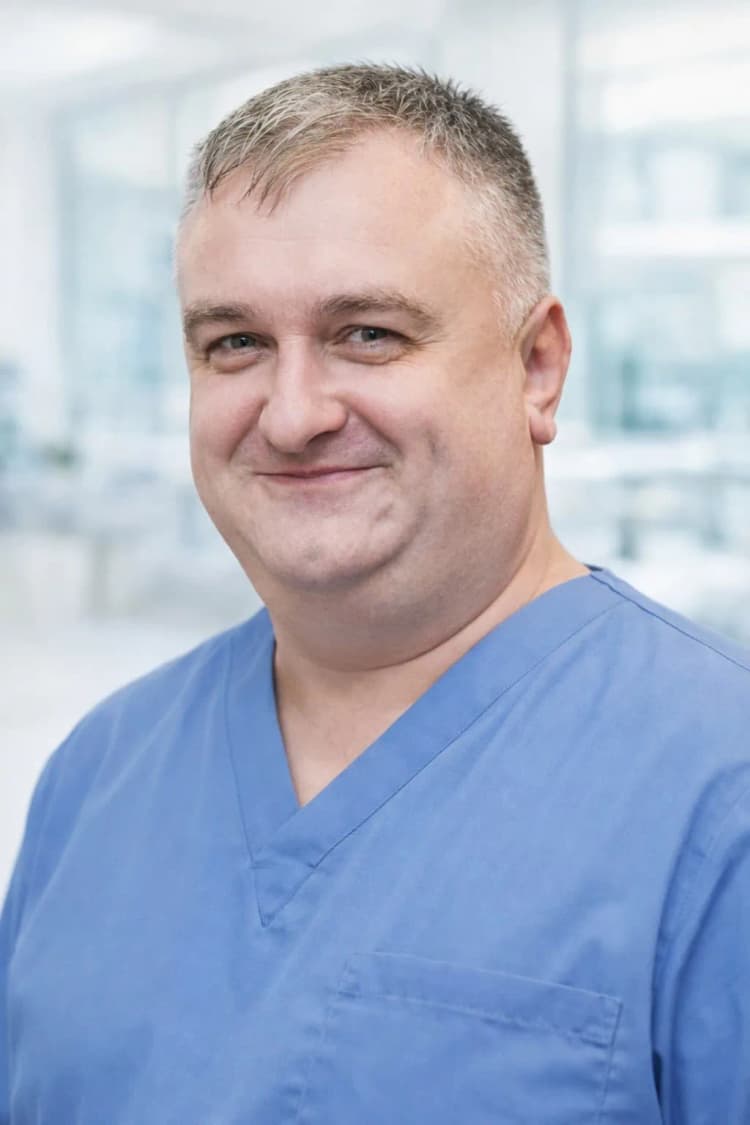
Povilas Stirbys
Leading cataract surgeon, ophthalmologist of the highest category, expert physician
Experience since 2003
Ivan Hulko
Highly qualified ophthalmic surgeon

Experience since 2015
Fesyk Yelyzaveta
Head of the Surgical Department, ophthalmologist of the second category, ophthalmic surgeon, retina expert of the highest category.
reviews
1.5M
happy clients
reviews
What our patients say about us
Our center has performed over 1 million successful laser vision corrections and more than 5 million consultations.
reviews

Refractive lensectomy
Boyko Vasyl Dmytrovych
I, Boyko Vasyl Dmytrovych, underwent lens replacement surgery at the British Ophthalmological Center. I want to thank the clinic staff for quality assistance, kindness, and humanity. Thanks to the doctors for their professionalism, care, and golden hands! I appreciated the structured approach to RLE: clear explanations, careful care, and follow‑ups.
Refractive lensectomy
Levchuk Larysa Heorhiivna
I, Levchuk Larysa Heorhiivna, underwent lens replacement surgery at the «British Ophthalmology Center». Everything went at the highest level! I feel happy with the results, the attention, and the care from the entire team. Many thanks to the doctor surgeons and doctors! After the eye examination, it’s much clearer whether RLE/lens exchange is the right option for you.
Refractive lensectomy
Shytsevalova Natalia Yuriyivna
RLE was a comfortable experience: attentive care, clear aftercare instructions, and efficient follow‑ups. The team did a detailed eye exam and helped me choose the best lens‑based vision correction option. Very satisfied. I appreciated the structured approach to RLE: clear explanations, careful care, and follow‑ups.
Refractive lensectomy
Marochkina Svitlana Volodymyrivna
I, Marochkina Svitlana Volodymyrivna, underwent lens replacement surgery at the 'British Ophthalmology Center' in December 2024. My vision fully recovered, life sparkled with bright colors, and I feel 10 years younger. Many thanks to the doctor doctors and especially to the doctor Ofeliia Oleksandrivna. RLE (refractive lens exchange) combined with a detailed eye examination is a real strength of this clinic.
Frequently asked questions about refractive lens exchange (RLE)
Refractive eye surgery is a branch of ophthalmology that corrects vision through surgical methods. Refractive lens exchange (RLE) is a microinvasive lens replacement procedure in which the natural lens is replaced with an intraocular lens (IOL). This replacement helps correct presbyopia, myopia, hypermetropia, and astigmatism and serves as an alternative to laser procedures. A full examination and doctor’s consultation are required before surgery.
RLE for hyperopia or myopia is relevant when laser correction is limited (thin or irregular cornea, high diopters). RLE is also effective for presbyopia (age-related farsightedness) and helps eliminate the need for switching between different pairs of glasses. The decision is made individually after a comprehensive eye examination and consultation.
The cost of lens replacement depends on the type of IOL (monofocal, trifocal, EDOF, toric), additional procedures, and clinical factors. Typical search queries include: 'lens replacement price', 'RLE cost Kyiv', 'lens exchange Kyiv price'. The final cost is determined after examination and consultation; clinics often offer discounts or loyalty programs. You can check current prices during your visit or by calling the reception.
Laser correction reshapes the cornea, while RLE replaces the lens. Therefore, in refractive surgery, RLE is considered an ‘operative treatment’ for hyperopia and combined refractive errors in mature patients or those with high diopters. For some, laser correction provides the best results; for others, lens implantation does. During consultation, we explain the pros and cons, possible side effects, and contraindications.
Yes. RLE can be an optimal solution for treating farsightedness (including presbyopia) and nearsightedness when laser correction is not recommended. Typical search queries include: 'farsightedness surgery price', 'laser vision correction cost', 'myopia surgery price', 'RLE cost'. The exact price is confirmed after diagnosis; promotions and discounts may be available.
Choose a clinic with experience in refractive eye surgery, modern diagnostics, transparent pricing, and proven results. Read reviews and independent comments, and look at real clinical cases. During consultation, ask about lens selection for your lifestyle, postoperative care, and activity restrictions. Also check how emergency care and after-surgery communication are organized.
As with any surgery, lens replacement has contraindications (such as active inflammation, uncontrolled intraocular pressure) and possible side effects (temporary dryness, glare/halos, light sensitivity). Most of these effects are short-term and managed with proper care. In case of other eye conditions, treatment is adjusted individually. Surgery is recommended only after a full ophthalmic examination.
First, you schedule a consultation and examination (biometry, topography, retinal check). Then, the doctor recommends a suitable IOL, discusses costs and timing. On the day of surgery, lens implantation is performed, and most patients return to normal activities quickly, with scheduled follow-up visits. Regarding 'free consultations': sometimes promotional offers are available, but generally, the initial visit is paid. If you’re unsure where to go, our administrator will recommend a convenient time and doctor.
appointment booking
Convenient booking and transparent consultation cost
We have made the process of contacting the clinic as simple as possible. You only need to book an appointment with an ophthalmologist in Kyiv online or by phone.
−10%Or pick a time yourself in the web account — no waiting for a call, with a discountbook a consultation
“*” required fields