
dry eye syndrome treatment
Many years of experience of our specialists and modern diagnostic equipment allow us to eliminate the progression and complications of the disease.
Find the cause of dry eyes
Dry eye syndrome diagnostics
Pick a day and time online — no waiting for a call
about the service
Dry eye syndrome: diagnosis and treatment
Dry eye syndrome: diagnosis and treatment
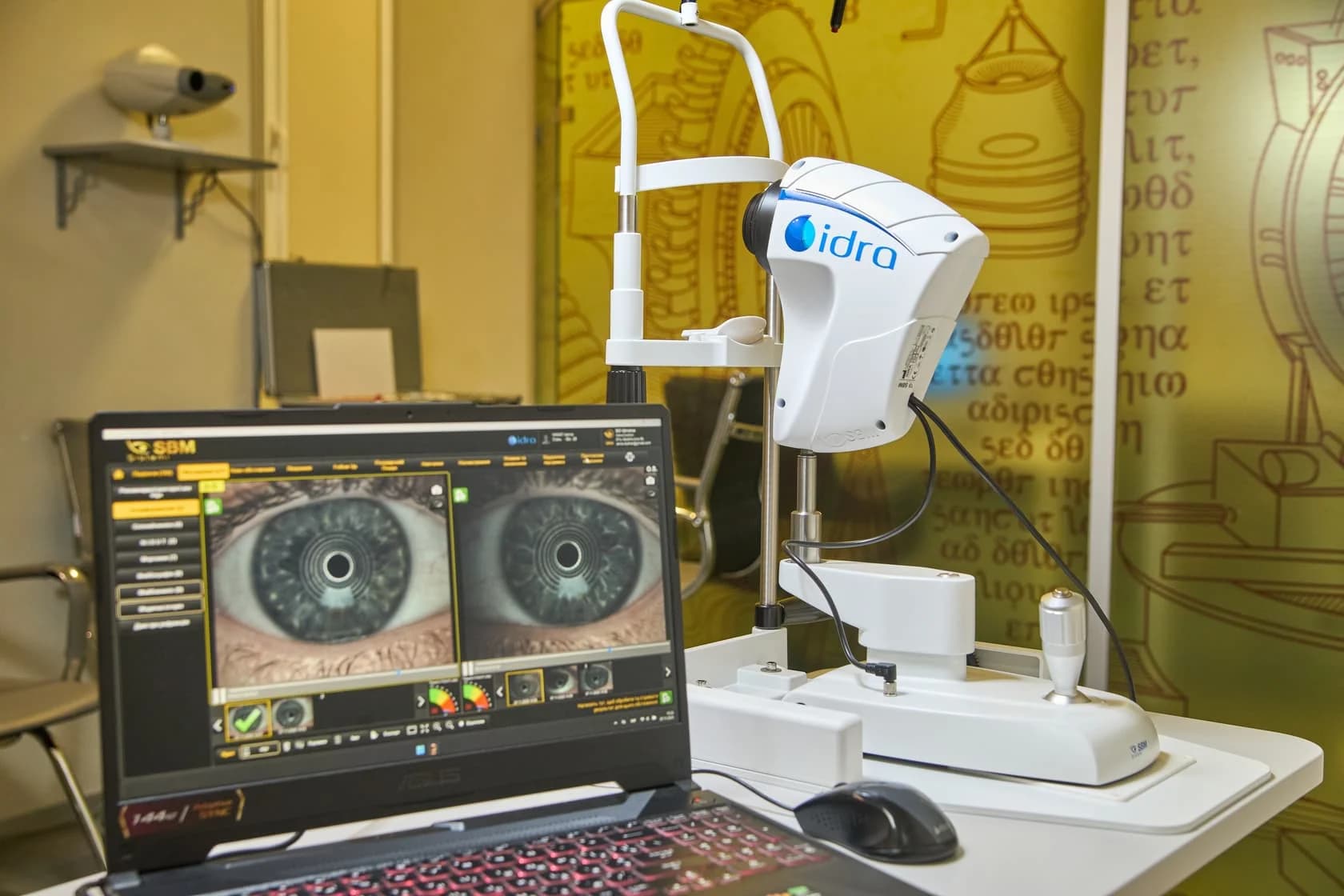
Dry eye syndrome is a condition in which the tear film loses stability and no longer properly protects the cornea. This causes dryness, burning, a “sand-like” sensation, redness, and fluctuating vision clarity, especially at the end of the day. The reasons vary: meibomian gland dysfunction, infrequent or incomplete blinking while using screens, age- and hormone-related changes, dry air. Without accurate diagnostics, symptoms become chronic, so it is crucial to determine which tear film layer is affected and choose targeted treatment.
In our clinic, the diagnosis of dry eye syndrome is performed using unique certified equipment — IDRA — developed in Italy specifically for accurate assessment of all aspects of this condition.
Diagnostic features:
We use proven technologies and tailor the treatment approach for each patient individually. Diagnostics are performed using the professional ophthalmic device IDRA.
How is dry eye syndrome treated in our clinic?
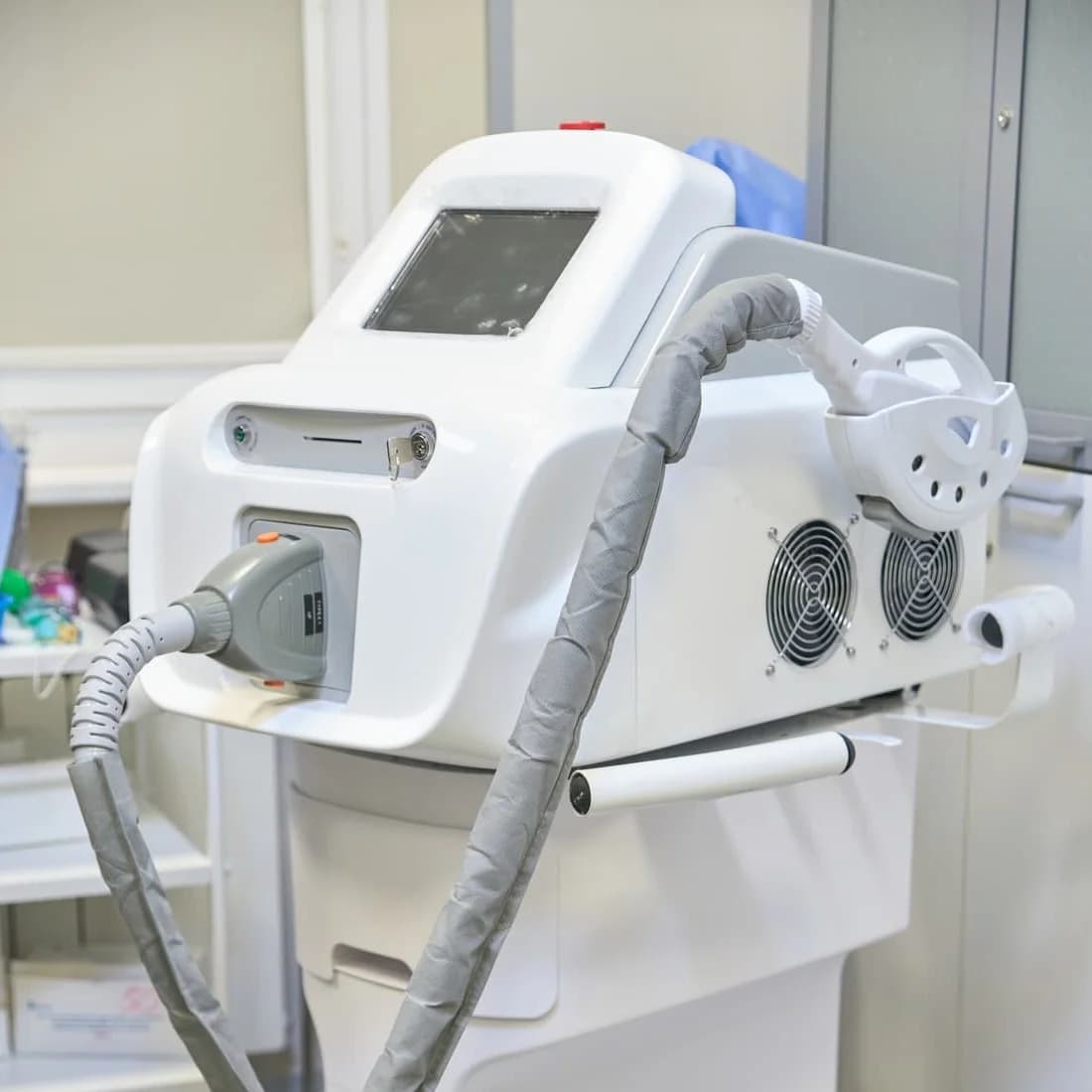
How is dry eye syndrome treated in our clinic?
We apply a treatment protocol that meets the standards of the Tear Film & Ocular Surface Society (TFOS), which includes:
- Medication therapy
- Warming up and clearing the blocked meibomian secretion
- IPL therapy
After the examination, the doctor explains the results, shows the images, and creates a personalized treatment plan — from daily eyelid hygiene to hardware procedures and maintenance therapy.
Causes of dry eyes
Contact us
If you have any questions, call our friendly call center or make an appointment for diagnostics with further consultation.
Mon - Sun 9:00 – 19:00
we work without days off
Causes of dry eyes
Dry eyes can have different mechanisms. During IDRA diagnostics, we measure tear film parameters, assess meibomian glands, and blinking quality to accurately determine the cause and choose proper treatment.
Factors related to insufficient production of the aqueous layer of the tear film
- Age-related changes and natural reduction of tear secretion;
- Hormonal fluctuations (menopause, pregnancy, endocrine disorders);
- Systemic diseases and autoimmune conditions (including Sjögren’s syndrome);
- Medications that “dry out” mucous membranes (antihistamines, antidepressants, diuretics, etc.);
- Dehydration, low fluid intake, chronic illnesses, postoperative conditions.
Factors related to increased evaporation of the tear film
- Meibomian gland dysfunction and poor lipid layer;
- Rare or incomplete blinking during screen use;
- Dry air, air conditioners, heating, wind, dust, smoke;
- Contact lenses, decorative cosmetics, eyelash extensions, harsh makeup removers;
- Inflammatory conditions of the eyelid margin (blepharitis, demodicosis), skin rosacea.
If you feel sandiness, burning, or redness — schedule a diagnosis. Accurate identification of the cause allows for effective treatment selection.
Take care of your vision health today!
Book an eye examination to learn more about the condition of your visual system!
Mon - Sun 9:00 – 19:00
we work without days off
Stages
01Appointment and preparation for diagnostics
You can schedule an eye diagnostics appointment within a few minutes by phone or online via the website.
No special preparation is needed, but if you wear soft contact lenses, remove them the night before (recommended 12 hours prior to the visit). Bring your eyeglasses for verification, as well as any previous ophthalmic examinations so the doctor can evaluate changes over time. It is recommended not to drive afterward because you may experience slight visual discomfort for a short time (near vision may be blurry).
02Computer vision diagnostics
The examination is quick and comfortable. Precision devices, microscopic visualization methods, and adapted diagnostic tests are used, selected according to each specific clinical situation.
The diagnostics take 2–2.5 hours. One of the most important steps is visual acuity testing. The patient reads symbols or letters on charts placed at different distances. These tests help accurately determine the degree of impairment and correctly select lenses or glasses.
In some cases, the doctor may use eye drops to dilate the pupils. This is necessary to temporarily exclude the influence of accommodation and obtain more accurate data when examining the fundus.
03Diagnostics results and conclusion
After completing the diagnostics, you will receive an official report with an assessment of all vision parameters and eye health. The doctor will provide recommendations for further steps — from prevention to a specific treatment plan.
If surgical intervention is planned, its discussion will be a key part of the consultation. It is important to ask and clarify all critical questions before the operation to make an informed decision.
Innovative IPL Treatment
A modern device-based approach that specifically reduces inflammation of the eyelid margins and restores tear film stability. Combined with diagnostics and supportive care, it ensures predictable outcomes and patient comfort.
Indications for IPL Therapy:
- Dry eye syndrome with a predominantly evaporative component.
- Meibomian gland dysfunction and stagnation of secretions that cannot be corrected with eye drops alone.
- Chronic blepharitis, recurrent styes, and chalazia.
- Telangiectasia and eyelid margin inflammation associated with ocular rosacea.
- Demodicosis as part of combination therapy.
- Reduced comfort during screen use, sensations of “grittiness”, burning, and redness despite regular eyelid hygiene.
Benefits of IPL Therapy
- Pathogenetic action: targeted impact on microvessels and inflammatory mechanisms that sustain dryness.
- Short session without anesthesia or recovery period; patients can immediately return to daily activities.
- Controlled cooling ensures safety for the sensitive periorbital area and reduces discomfort.
- Can be combined with device-assisted eyelid massage to enhance effectiveness.
- Objective monitoring of results using instrumental measurements and photographic documentation.
IPL Procedure Structure
- Initial consultation and assessment of indications: medical history, eyelid examination, and instrumental diagnostics of the ocular surface.
- Preparation of the treatment area: skin cleansing, protective eyewear, and application of contact gel.
- Treatment session: a series of light pulses applied along the projection of the eyelid margins according to an ophthalmic protocol.
- If necessary — device-assisted warming and expression of meibomian gland secretions, along with home care recommendations.
- Documentation of results and planning of the next visit.
Treatment Course and Results:
- Number of sessions: usually 3–4 procedures for a lasting result; the regimen may be adjusted individually.
- Intervals: 2–3 weeks between sessions to consolidate the anti-inflammatory effect and gland recovery.
- Duration: approximately 10–15 minutes per session (+ preparation time and, if indicated, eyelid massage).
- During and after the procedure: mild warmth or tingling, temporary skin redness that resolves on its own.
- Expected outcome: reduced dryness and irritation, more stable tear film, improved comfort during reading and computer work, and fewer episodes of blepharitis and styes.
Safety and Post-Procedure Care:
The method has a favorable safety profile when protocols are followed and contraindications are considered. After the session, we recommend using SPF 50+ on the treated area for 7–10 days, avoiding sun exposure, saunas, and swimming pools for 24–48 hours, and postponing aggressive peels or scrubs; makeup in the periorbital area should be avoided for at least 12–24 hours. It is important to maintain eyelid hygiene and adhere to the prescribed eye drop regimen. Follow-up examinations allow assessment of progress and, if necessary, supportive procedures every 6–12 months to maintain comfort and result stability.
Prices
Prices for dry eye syndrome treatment in Kyiv
service
Price in UAH
Special price
Diagnosis and consultation
1300
2350
Comprehensive diagnostics of the tear film and eyelid glands is included
Special price
Treatment with IPL therapy
3900
5200
Treatment is carried out on new equipment of the 2026 model year
doctors
3
specialized doctors
Experts in dry eye syndrome treatment
Our doctors will carefully study the condition of your visual system and determine whether correction is possible in your case.
Experience since 2020
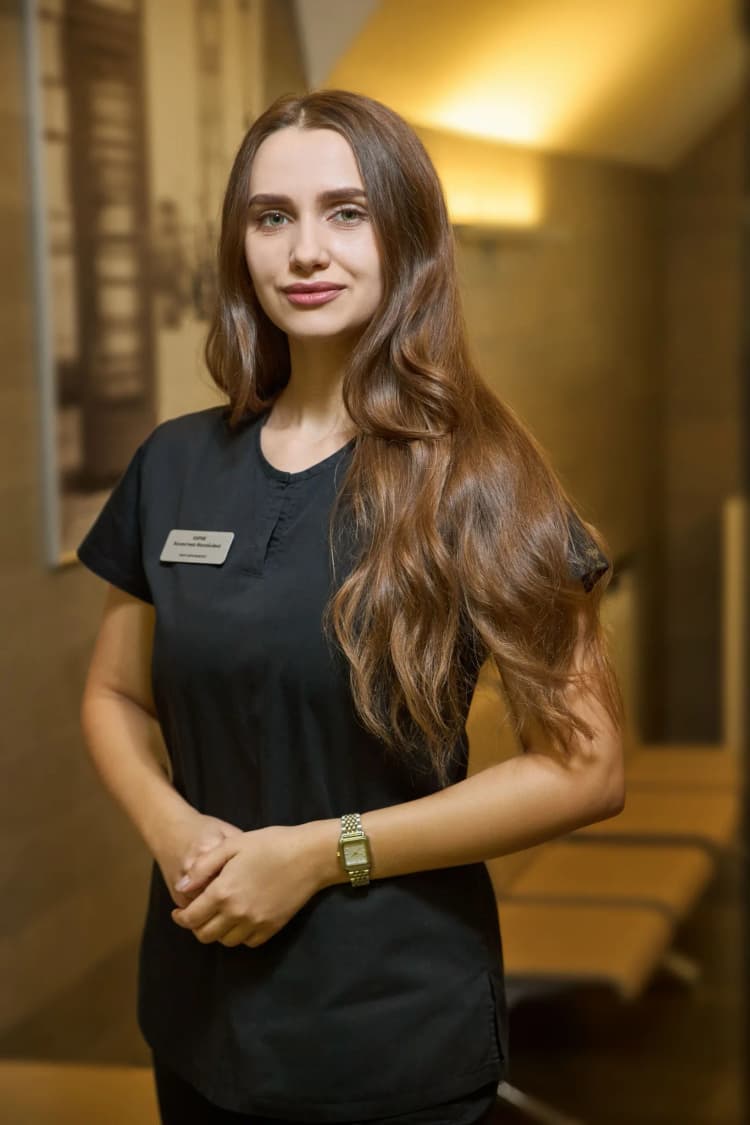
Kiryk Valentyna
Ophthalmologist, retina expert.
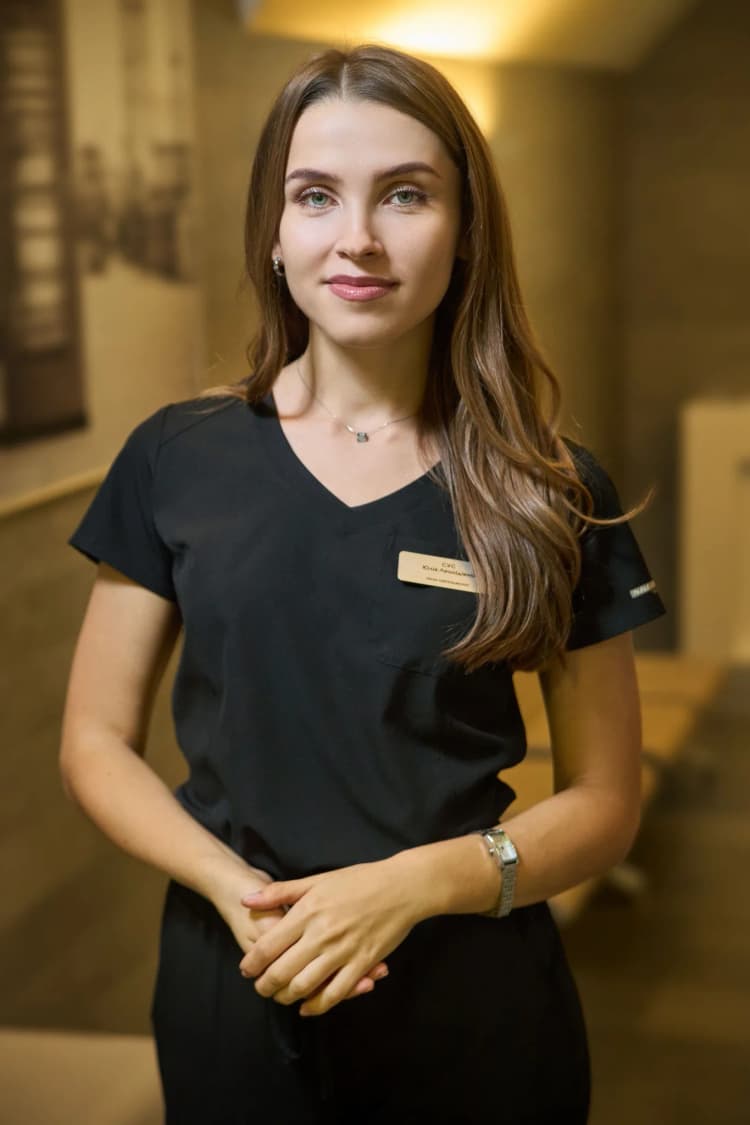
Experience since 2020
Sus Yuliia
Ophthalmologist, retina expert.

Experience since 2018
Blazhchuk Alla
Ophthalmologist, retina expert.
reviews
1.5M
happy clients
reviews
What our patients say about us
Our center has performed over 1 million successful laser vision corrections and more than 5 million consultations.
reviews

Laser vision correction
Skyrchak Tetiana Viktorivna
Shock, diagnosis: retinal detachment of the right eye. We understood that the surgery was serious and complex. But we were absolutely sure that there is no better and more reliable place than the «British Ophthalmology Center» in Kyiv. We were right. From the bottom of my heart and soul, I express my immense gratitude for the prompt and well-coordinated work, the clear sequence of actions during my surgery performed by Chief Doctor and his dedicated team of professionals: ophthalmologist, nurses, and anesthesiologist (the anesthesia was selected properly). Thank you to the doctor, sensitivity, and moral support! the doctor is a highly qualified surgeon, a Doctor a capital letter! Thank you to the doctor work and dedication! I wish you strong health, inexhaustible optimism, prosperity, and a sunny spirit! Many thanks to the doctor! You are the best! Clear aftercare and follow‑ups made the laser vision correction experience very reassuring.
Laser vision correction
Deriy Kateryna Borysivna
I, Deriy Kateryna Borysivna, underwent vision correction at the British Ophthalmological Center. I am very grateful to the center, and especially to the doctor see! I am 100% satisfied with the results. This is now my sincere recommendation for anyone considering vision correction. After it, you start a new life. Every day you wake up thinking, 'I can see.' And that is happiness. =). Clear aftercare and follow‑ups made the laser vision correction experience very reassuring.
Cataract treatment
Levitina Lyudmyla
I, Levitina Lyudmyla, express my deep respect and gratitude to the surgeon replacement surgery, Konstaninova Vita Kostiantynivna, for her high professionalism, kindness, attention, and care. I also thank the entire staff who accompanied me during the examination and surgery for their politeness, attentiveness, professionalism, and precise performance of their duties. People I have recommended are already turning to your clinic to solve their vision problems, and some have already undergone surgery. Modern cataract treatment and clear post‑op instructions made a big difference.
Cataract treatment
Tsaryk Volodymyr Yakovych
I, Tsaryk Volodymyr Yakovych, underwent cataract surgery. I am very satisfied with the result of the operation. Many thanks to the doctor restored my vision and brought back joy to life, as well as to all the staff. Everything is well-organized, with great attention to patients. Thank you to the doctor work. With respect, Tsaryk V.Y. Thank you for the thorough eye examination and careful cataract surgery.
Frequently asked questions about dry eye treatment
The most common signs include burning, “grittiness”, redness, blurry vision by the end of the day, light sensitivity, and contact lens discomfort. If you constantly feel dryness or symptoms interfere with screen work, it’s already a reason for examination and treatment of dry eye disease in both eyes. Self-treatment with random drops rarely gives a stable effect — start with an ophthalmologist consultation.
DED (dry eye disease) is a condition where the tear film loses stability. Treatment is personalized: eyelid hygiene, properly selected lubricating eye drops, adjusting screen habits, and instrumental therapies. The term “laser treatment for dry eye” is often used incorrectly — in modern ophthalmology, IPL therapy is effective for evaporative DED rather than laser.
IPL (Intense Pulsed Light) gently treats the eyelid margins, reduces inflammation and telangiectasias, liquefies thick meibomian gland secretions, and stabilizes the lipid layer of the tear film. As a result, the tear evaporates less — dryness, “grittiness”, and eye fatigue decrease. The procedure takes 10–15 minutes, local anesthesia is not required; if indicated, it is combined with eyelid massage (ACTIVA MED) and standard care.
A standard course includes 3–4 procedures with an interval of 2–3 weeks. Most patients feel relief after 1–2 visits, while a stable result is achieved by the end of the course. To monitor dynamics and fine-tune treatment, we perform instrumental diagnostics (IDRA).
The cost depends on the diagnostic amount and individual plan (number of IPL sessions, additional procedures). Current prices, promotions and discounts can be clarified during consultation or with online registration. We clearly explain what is included in the visit and the course; preliminary preparation recommendations are provided free of charge.
Typical contraindications include active skin inflammation in the treatment area, photosensitivity, certain dermatological conditions and pregnancy / breastfeeding — the final decision is made by the doctor after examination. Side effects are usually mild and short-term: redness, warmth, rarely — temporary skin sensitivity. Advantages: quick sessions, no downtime, addressing the root cause (meibomian gland dysfunction); possible drawback — a full course and maintenance visits are required.
Patients often report reduced burning, “grittiness” and end-of-day fatigue, and improved tolerance of screens and contact lenses. We recommend relying not only on reviews but also on objective measurements during diagnostics (IDRA): this shows real improvements in the tear film and helps personalize treatment.
If dryness appears and urgent help is needed — avoid harsh products, remove contact lenses, take a break from screens and book an eye examination. In a private clinic you receive quick consultation, accurate diagnostics, an explanation whether IPL is right for you, and a transparent treatment plan. You can register online or by phone; during the visit, the doctor will answer questions about benefits/risks, contraindications, and treatment cost.
appointment booking
Convenient booking and transparent consultation cost
We have made the process of contacting the clinic as simple as possible. You only need to book an appointment with an ophthalmologist in Kyiv online or by phone.
−10%Or pick a time yourself in the web account — no waiting for a call, with a discountbook a consultation
“*” required fields