
Who sees best in the dark?
25.10.2013
Eye exam
Owl
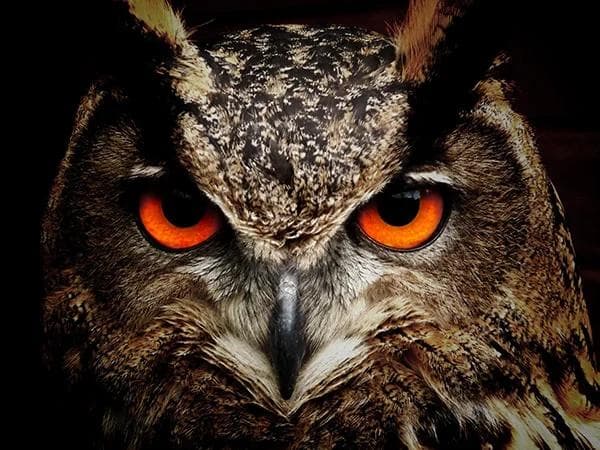
The most famous bird with excellent night vision is the owl. By the way, the idea that owls see poorly during the day is a myth. They see well both during the day and at night. But at night their vision becomes sharper, and they see 100 times better than a human. Even on the darkest moonless night, an owl can easily spot a mouse sneaking through the grass, a bird hiding among the leaves, or a squirrel climbing a fluffy fir tree.
Cat
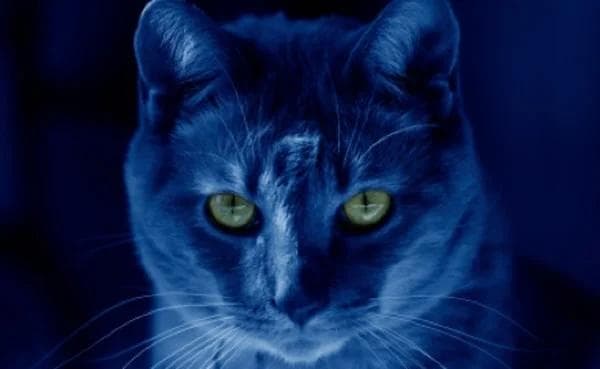
According to scientists, cats cannot see in complete darkness, but in starlight and moonlight they see six times better than humans. In the dark, their pupils expand significantly, reaching a diameter of 14 mm (for comparison: in humans, the maximum pupil diameter does not exceed 8 mm). On a bright sunny day, a cat’s pupils turn into narrow slits to protect the sensitive retinal cells from excess light.
Cats also have a highly developed reflective layer in the eye, which is also found in other animals. Thanks to this layer, the eyes of animals “glow” in the reflection of headlights or flashlights. You can learn more about cat vision in our article.
Horse
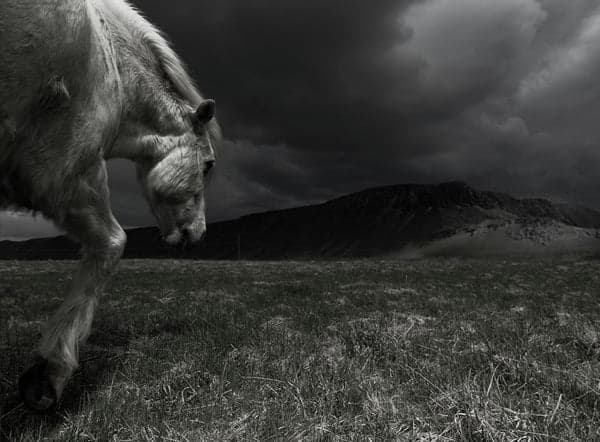
It is known that a horse’s retina contains many more rods than cones — their ratio is approximately 9:1. And it is the rods that are responsible for vision in low light. Therefore, a horse can navigate well in the dark: graze, move around, avoid obstacles and holes.
Dog

According to veterinarians, dogs also have good night vision — they see four times better in the dark than humans.
Snake
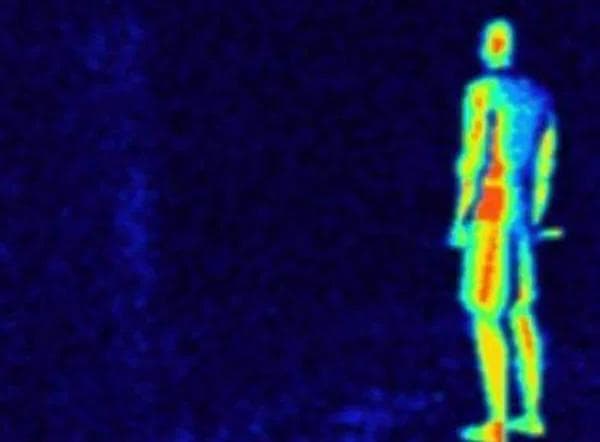
At night, snakes’ eyes detect infrared signals, meaning the heat emitted by the bodies of animals. This is how a snake sees a person in the dark.
Human
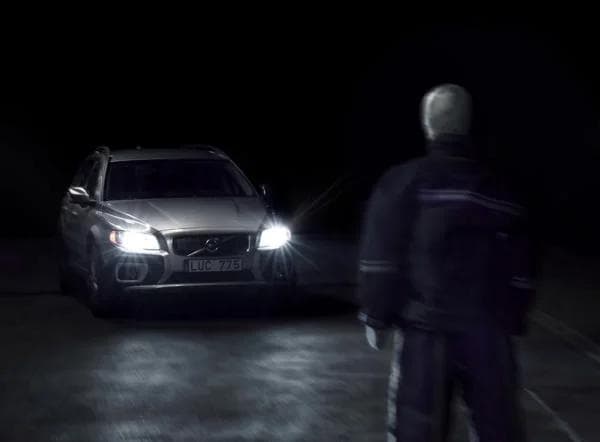
Humans navigate poorly in the dark, but the world is beautiful for us nonetheless. The human eye contains 110–125 million rods responsible for black-and-white vision and 6–7 million cones, which provide color vision. Thanks to this large number of color-sensitive cells, our eyes can perceive about five million color shades — something no other animal can compare with.
Book an ophthalmologist consultation online
Pick a convenient time in the web account or the mobile app — no waiting for a call
Frequently Asked Questions
The article explains: night vision, animal and human vision features, adaptation to darkness. It helps patients understand what to pay attention to and when an ophthalmologist consultation is needed.
No. The material is informational. Self-treatment may be unsafe because similar symptoms often have different causes.
Book an examination if symptoms recur, worsen, affect vision, or if you need a decision about surgery, laser treatment or medication therapy.
news
More news about eye examination
Eye exam
Cataract or Age-Related Farsightedness: How to Tell?
After the age of 40–45, vision can deteriorate for different reasons. A cataract is a clouding of the lens, while age-related farsightedness, or presbyopia, is a loss of the ability to focus up close. For some people reading glasses are enough, while others need treatment. You cannot determine the cause by how your eyes feel, but the typical differences will help you get examined in time.
09.08.2026
read moreEye exam
When Should People with Diabetes Have Their Eyes Checked?
Diabetes can damage blood vessels for a long time without causing obvious symptoms, and this includes the vessels of the eyes. That is why people with diabetes need regular check-ups with an ophthalmologist, even if they see well and feel no discomfort at all.
10.07.2026
read moreEye exam
Colour Blindness – How Colour-Blind People See and Which Colours They Can't Tell Apart
The ability to distinguish colours is an important part of how we perceive the world. Thanks to millions of light-sensitive cells in the retina, we can see a vast number of shades, find our way around and get extra information about the objects around us. However, some people perceive colours differently from the usual norm. This condition is called colour blindness.
18.06.2026
read more